Buy espresso-guide.com ?
We are moving the project
espresso-guide.com .
Are you interested in purchasing the domain
espresso-guide.com ?
domain@kv-gmbh.de · 0541-91531010
Buy espresso-guide.com ?
How do climate and vegetation determine the formation of a landscape?
Climate and vegetation play a crucial role in shaping the formation of a landscape. The climate of an area, including factors such as temperature, precipitation, and wind patterns, determines the type of vegetation that can thrive in that environment. The presence of certain types of vegetation, in turn, influences the physical characteristics of the landscape, such as soil composition, erosion patterns, and the overall appearance of the terrain. For example, in a hot and dry climate, the presence of desert vegetation like cacti and succulents can lead to the formation of a desert landscape characterized by sandy dunes and rocky outcrops. In contrast, a region with abundant rainfall and lush vegetation may have a landscape dominated by dense forests and fertile soil. **
What is the difference between landscape and landscape ecosystem?
Landscape refers to the visible features of an area of land, including physical elements such as mountains, rivers, and forests. On the other hand, a landscape ecosystem encompasses not only the physical features of the land but also the interactions between living organisms and their environment within that landscape. It includes the relationships between plants, animals, and their surroundings, as well as the flow of energy and nutrients within the ecosystem. In essence, landscape ecosystem is a more holistic concept that considers both the physical and biological aspects of a landscape. **


Similar search terms for Landscape formation
Top-Angebote
Products related to Landscape formation:
-
Uplift Essentials Solar Owl Landscape Guardian Light Solar Owl Landscape Guardian LightAdd a touch of wise, whimsical charm to your outdoor sanctuary with the solar owl landscape guardian light. This masterfully detailed garden stake features a lifelike owl silhouette that serves as a beautiful decorative piece by day and a watchful,...57,97 $*Shipping: 0,00 $Secure redirect to the provider
-
Uplift Essentials Solar Flamingo Garden Landscape Stake Solar Flamingo Garden Landscape StakeAdd a splash of vibrant, tropical charm to your outdoor space with the solar flamingo garden LED stake. This eyecatching landscape lamp features the iconic pink flamingo silhouette, reimagined as a glowing sentinel for your garden. Crafted with a...57,97 $*Shipping: 0,00 $Secure redirect to the provider
-
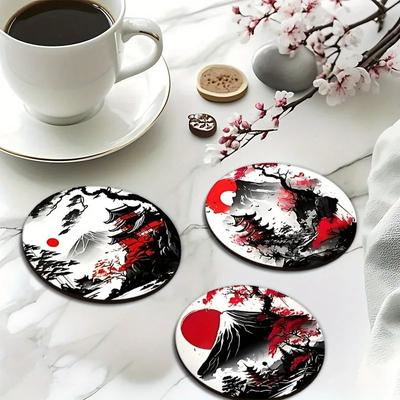
Uplift Treasures Japanese Landscape Wooden Coaster Set Japanese Landscape Wooden Coaster SetProduct Description: Add a touch of elegance to your table with this beautifully crafted 6piece wooden coaster set featuring serene Japanese landscape designs. Stylish, practical, and durable, it protects your surfaces while enhancing your home or...42,97 $*Shipping: 0,00 $Secure redirect to the provider
-
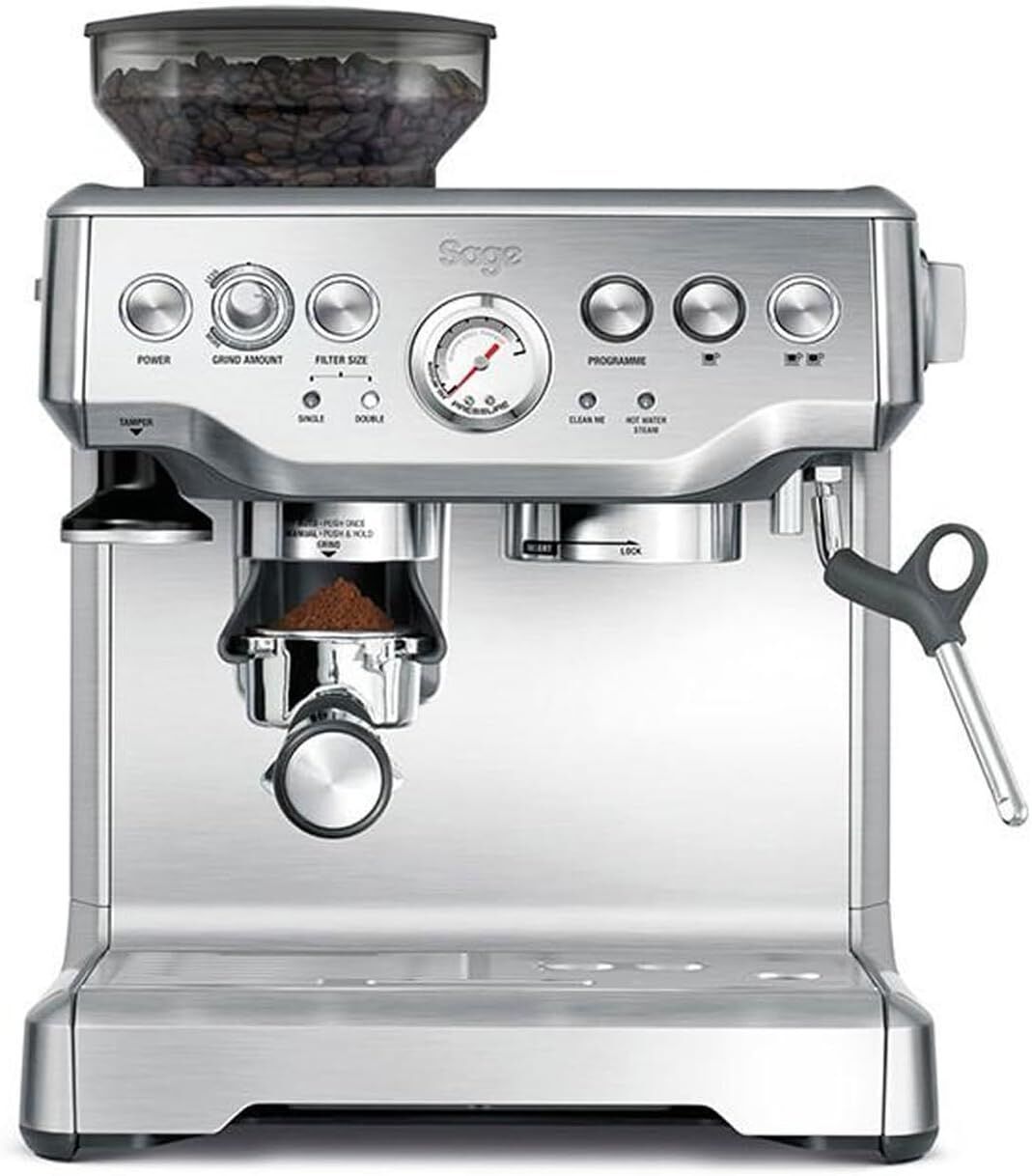
Sage BES875 The Barista Express Espresso Coffee Machine silver - RefurbishedMahlen, dosieren und extrahieren – alles in einem Gerät. Bereite zuhause Third-Wave-Kaffeespezialitäten von der Bohne bis zum Espresso in weniger als einer Minute zu. Mit der refurbed Sage BES875 The Barista Express Espresso Kaffeemaschine mahlst du Bohnen direkt vor der Extraktion und sorgst so für einen vollmundigen Geschmack, während die präzise Temperaturkontrolle perfekte Espressoextraktion ermöglicht. Zaubere Kaffee in Barista-Qualität im Handumdrehen dank manueller Mikro-Milchschaum-Zubereitung, für authentische Ergebnisse. Erlebe Third Wave-Kaffeespezialitäten zuhause Dank der 4-Schlüssel-Formel. Die Espressomaschinen von Sage nutzen exakt die richtige Dosis frisch gemahlener Bohnen, garantieren eine präzise Temperaturkontrolle und einen optimalen Wasserdruck und bereiten den perfekten Mikro-Milchschaum, wie er für Latte Art unerlässlich ist. Nur eine Geste entfernt von den 4 Schlüsselelementen, die professionelle Maschinen verwenden. Automatisches Mahlen und Dosieren mit integriertem Kegelmahlwerk und 16 Mahlgradeinstellungen Mit nur einem Tastendruck liefert das integrierte Präzisions-Kegelmahlwerk mit Dosiersteuerung bei Bedarf genau die richtige Menge an Kaffee und sorgt für ein perfektes Aroma. 54-mm-Edelstahl-Siebträger für volles Aroma mit doppel- und einwandigen Siebeinsätzen Vollmundiger Kaffee mit üppigen und komplexen Aromen wird unter Verwendung der idealen Dosis von 18 g frisch gemahlener Kaffeebohnen mit einem professionellen 54-mm-Edelstahl-Siebträger hergestellt. Preinfusion unter geringem Druck, gefolgt vom Extraktionsverfahren mit hohem Druck (9 Bar) Für die Zubereitung eines vollmundigen, cremigen Espressos kommen die Preinfusion unter niedrigem Druck und anschließend ein Extraktionsverfahren unter hohem Druck (9 Bar) zum Einsatz, möglich dank der italienischen 15-Bar-Pumpe. Thermocoil-Heizsystem liefert 93°C mit PID-Temperaturregelung Das Thermocoil-Heizsystem mit PID-Temperaturregelung stellt das Wasser mit einer Temperatur von genau 93°C für perfekt ausgewogene Aromen bereit. Handgemachter Mikro-Milchschaum Die leistungsstarken Dampfstäbe verwandeln Milch in dichten, samtigen Mikro-Milchschaum mit einer seidigen Textur, genau richtig für Latte Art. Einfache Bedienung mit Mengeneinstellung für Portionen Wähle zwischen einer oder zwei Portionen oder der manuellen Steuerung, um jedes Mal die perfekte Portion Espresso in deine Tasse zu erhalten. Mit dem Dosing Funnel™ – kein Stress, kein Abfall Beim Mahlen und Tampern entstehen unweigerlich Kaffeemehlreste. Der Dosing Funnel™-Aufsatz für den Siebträger verhindert, dass Kaffeemehl austritt, und vermeidet Verschwendung und Stress. Aus BPA-freien Materialien, spülmaschinenfest. Kein Stress, kein Abfall. Interaktive schrittweise Einrichtung in 3D Wenn eine herkömmliche Gebrauchsanleitung nicht dein Ding ist, ermöglicht Sage dir mithilfe von BILT® Intelligent Instructions eine nahtlose und interaktive Produkteinrichtung. Lade die kostenlose App herunter, damit deine Third...367,98 £*Shipping: 0,00 £Secure redirect to the provider


-
What is the difference between landscape architecture and landscape planning?
Landscape architecture focuses on the design and planning of outdoor spaces, including parks, gardens, and urban plazas, with a focus on aesthetics, functionality, and sustainability. Landscape architects often work on specific projects, creating detailed designs and plans for outdoor spaces. On the other hand, landscape planning is a broader field that involves the strategic and holistic planning of land use, natural resources, and environmental conservation. It encompasses the assessment, analysis, and management of landscapes at a larger scale, often involving multiple stakeholders and considering long-term impacts on the environment and communities. In summary, landscape architecture is more focused on the design and aesthetics of outdoor spaces, while landscape planning involves the strategic and comprehensive planning of land use and natural resources. **
-
What is the difference between sperm formation and egg formation?
Sperm formation, or spermatogenesis, occurs in the testes of males and involves the production of sperm cells through a process of cell division and differentiation. On the other hand, egg formation, or oogenesis, occurs in the ovaries of females and involves the production of egg cells through a similar process of cell division and differentiation. The key difference between the two processes is that sperm formation results in the production of four functional sperm cells from one parent cell, while egg formation results in the production of one functional egg cell from one parent cell. Additionally, sperm formation begins at puberty and continues throughout a male's life, while egg formation begins before birth and is completed during the reproductive years. **
-
What are landscape units?
Landscape units are distinct areas within a landscape that share similar ecological, geological, and topographical characteristics. These units are defined based on factors such as soil type, vegetation, landform, and hydrology. By identifying and mapping landscape units, land managers and conservationists can better understand the diversity and dynamics of a landscape, and make informed decisions about land use and conservation strategies. This approach helps to recognize the unique features and functions of different areas within a landscape, and can guide efforts to protect and manage natural resources. **
-
What are landscape zones?
Landscape zones refer to different areas within a landscape that are designated for specific purposes or have distinct characteristics. These zones can include areas for recreation, conservation, agriculture, or residential development. They are often planned and managed to optimize the use of the land and to protect natural resources. By dividing a landscape into zones, it becomes easier to balance human activities with the preservation of natural ecosystems. **


What is fat formation?
Fat formation, also known as adipogenesis, is the process by which fat cells, or adipocytes, are created and accumulate in the body. This process involves the differentiation of precursor cells, such as preadipocytes, into mature adipocytes, which then store excess energy in the form of triglycerides. Fat formation is influenced by various factors, including diet, hormones, and genetics, and plays a crucial role in energy balance and metabolism. Excessive fat formation can lead to obesity and related health issues, while impaired fat formation can contribute to metabolic disorders. **
What is mountain formation?
Mountain formation is the process by which large landforms are created through tectonic forces, volcanic activity, or erosion. Tectonic forces, such as the collision of tectonic plates, can push up the Earth's crust to form mountain ranges. Volcanic activity can also contribute to mountain formation by depositing layers of lava and ash that build up over time. Additionally, erosion from water and ice can carve out mountains and create rugged peaks and valleys. Overall, mountain formation is a complex process that can take millions of years to create the towering landforms we see today. **
Top-Angebote
Products related to Landscape formation:
-
Mr. Coffee® Café BaristaBrew coffeehouse-style drinks just the way you like them right at home. In one simple touch, Mr. Coffee® Café Barista brews espresso coffee with a 15-bar pump system and automatically froths milk into cappuccino and latte selections.239,99 $*Shipping: 0,00 $Secure redirect to the provider
-
Uplift Essentials Solar Owl Landscape Guardian Light Solar Owl Landscape Guardian LightAdd a touch of wise, whimsical charm to your outdoor sanctuary with the solar owl landscape guardian light. This masterfully detailed garden stake features a lifelike owl silhouette that serves as a beautiful decorative piece by day and a watchful,...57,97 $*Shipping: 0,00 $Secure redirect to the provider
-
Uplift Essentials Solar Flamingo Garden Landscape Stake Solar Flamingo Garden Landscape StakeAdd a splash of vibrant, tropical charm to your outdoor space with the solar flamingo garden LED stake. This eyecatching landscape lamp features the iconic pink flamingo silhouette, reimagined as a glowing sentinel for your garden. Crafted with a...57,97 $*Shipping: 0,00 $Secure redirect to the provider
-
How do climate and vegetation determine the formation of a landscape?
Climate and vegetation play a crucial role in shaping the formation of a landscape. The climate of an area, including factors such as temperature, precipitation, and wind patterns, determines the type of vegetation that can thrive in that environment. The presence of certain types of vegetation, in turn, influences the physical characteristics of the landscape, such as soil composition, erosion patterns, and the overall appearance of the terrain. For example, in a hot and dry climate, the presence of desert vegetation like cacti and succulents can lead to the formation of a desert landscape characterized by sandy dunes and rocky outcrops. In contrast, a region with abundant rainfall and lush vegetation may have a landscape dominated by dense forests and fertile soil. **
-
What is the difference between landscape and landscape ecosystem?
Landscape refers to the visible features of an area of land, including physical elements such as mountains, rivers, and forests. On the other hand, a landscape ecosystem encompasses not only the physical features of the land but also the interactions between living organisms and their environment within that landscape. It includes the relationships between plants, animals, and their surroundings, as well as the flow of energy and nutrients within the ecosystem. In essence, landscape ecosystem is a more holistic concept that considers both the physical and biological aspects of a landscape. **
-
What is the difference between landscape architecture and landscape planning?
Landscape architecture focuses on the design and planning of outdoor spaces, including parks, gardens, and urban plazas, with a focus on aesthetics, functionality, and sustainability. Landscape architects often work on specific projects, creating detailed designs and plans for outdoor spaces. On the other hand, landscape planning is a broader field that involves the strategic and holistic planning of land use, natural resources, and environmental conservation. It encompasses the assessment, analysis, and management of landscapes at a larger scale, often involving multiple stakeholders and considering long-term impacts on the environment and communities. In summary, landscape architecture is more focused on the design and aesthetics of outdoor spaces, while landscape planning involves the strategic and comprehensive planning of land use and natural resources. **
-
What is the difference between sperm formation and egg formation?
Sperm formation, or spermatogenesis, occurs in the testes of males and involves the production of sperm cells through a process of cell division and differentiation. On the other hand, egg formation, or oogenesis, occurs in the ovaries of females and involves the production of egg cells through a similar process of cell division and differentiation. The key difference between the two processes is that sperm formation results in the production of four functional sperm cells from one parent cell, while egg formation results in the production of one functional egg cell from one parent cell. Additionally, sperm formation begins at puberty and continues throughout a male's life, while egg formation begins before birth and is completed during the reproductive years. **
Similar search terms for Landscape formation
-
Uplift Treasures Japanese Landscape Wooden Coaster Set Japanese Landscape Wooden Coaster SetProduct Description: Add a touch of elegance to your table with this beautifully crafted 6piece wooden coaster set featuring serene Japanese landscape designs. Stylish, practical, and durable, it protects your surfaces while enhancing your home or...42,97 $*Shipping: 0,00 $Secure redirect to the provider
-
Sage BES875 The Barista Express Espresso Coffee Machine silver - RefurbishedMahlen, dosieren und extrahieren – alles in einem Gerät. Bereite zuhause Third-Wave-Kaffeespezialitäten von der Bohne bis zum Espresso in weniger als einer Minute zu. Mit der refurbed Sage BES875 The Barista Express Espresso Kaffeemaschine mahlst du Bohnen direkt vor der Extraktion und sorgst so für einen vollmundigen Geschmack, während die präzise Temperaturkontrolle perfekte Espressoextraktion ermöglicht. Zaubere Kaffee in Barista-Qualität im Handumdrehen dank manueller Mikro-Milchschaum-Zubereitung, für authentische Ergebnisse. Erlebe Third Wave-Kaffeespezialitäten zuhause Dank der 4-Schlüssel-Formel. Die Espressomaschinen von Sage nutzen exakt die richtige Dosis frisch gemahlener Bohnen, garantieren eine präzise Temperaturkontrolle und einen optimalen Wasserdruck und bereiten den perfekten Mikro-Milchschaum, wie er für Latte Art unerlässlich ist. Nur eine Geste entfernt von den 4 Schlüsselelementen, die professionelle Maschinen verwenden. Automatisches Mahlen und Dosieren mit integriertem Kegelmahlwerk und 16 Mahlgradeinstellungen Mit nur einem Tastendruck liefert das integrierte Präzisions-Kegelmahlwerk mit Dosiersteuerung bei Bedarf genau die richtige Menge an Kaffee und sorgt für ein perfektes Aroma. 54-mm-Edelstahl-Siebträger für volles Aroma mit doppel- und einwandigen Siebeinsätzen Vollmundiger Kaffee mit üppigen und komplexen Aromen wird unter Verwendung der idealen Dosis von 18 g frisch gemahlener Kaffeebohnen mit einem professionellen 54-mm-Edelstahl-Siebträger hergestellt. Preinfusion unter geringem Druck, gefolgt vom Extraktionsverfahren mit hohem Druck (9 Bar) Für die Zubereitung eines vollmundigen, cremigen Espressos kommen die Preinfusion unter niedrigem Druck und anschließend ein Extraktionsverfahren unter hohem Druck (9 Bar) zum Einsatz, möglich dank der italienischen 15-Bar-Pumpe. Thermocoil-Heizsystem liefert 93°C mit PID-Temperaturregelung Das Thermocoil-Heizsystem mit PID-Temperaturregelung stellt das Wasser mit einer Temperatur von genau 93°C für perfekt ausgewogene Aromen bereit. Handgemachter Mikro-Milchschaum Die leistungsstarken Dampfstäbe verwandeln Milch in dichten, samtigen Mikro-Milchschaum mit einer seidigen Textur, genau richtig für Latte Art. Einfache Bedienung mit Mengeneinstellung für Portionen Wähle zwischen einer oder zwei Portionen oder der manuellen Steuerung, um jedes Mal die perfekte Portion Espresso in deine Tasse zu erhalten. Mit dem Dosing Funnel™ – kein Stress, kein Abfall Beim Mahlen und Tampern entstehen unweigerlich Kaffeemehlreste. Der Dosing Funnel™-Aufsatz für den Siebträger verhindert, dass Kaffeemehl austritt, und vermeidet Verschwendung und Stress. Aus BPA-freien Materialien, spülmaschinenfest. Kein Stress, kein Abfall. Interaktive schrittweise Einrichtung in 3D Wenn eine herkömmliche Gebrauchsanleitung nicht dein Ding ist, ermöglicht Sage dir mithilfe von BILT® Intelligent Instructions eine nahtlose und interaktive Produkteinrichtung. Lade die kostenlose App herunter, damit deine Third...367,98 £*Shipping: 0,00 £Secure redirect to the provider
-
Sage SES881 The Barista Touch Impress Espresso Coffee Machine silver - RefurbishedWischen. Auswählen. Beeindrucken. Mit schrittweiser Barista Guidance auf Knopfdruck. Die refurbed Sage SES881 The Barista Touch Impress Espresso Kaffeemaschine führt dich durch das Impress™ Puck System, die präzise Extraktion und die handfreie Zubereitung von samtigem Mikro-Milchschaum. Das ThermoJet® Heizsystem braucht nur 3 Sekunden zum Aufheizen und verkürzt die Zeit von der Bohne in die Tasse auf ein Minimum. Erlebe Third Wave-Spezialitätenkaffee Zuhause Dank der 4-Schlüssel-Formel Wie professionelle Maschinen verwenden auch die Espressomaschinen von Sage die 4-Schlüssel-Formel. Sie sind ausgelegt für exakt die richtige Dosis frisch gemahlener Bohnen, präzise Temperaturkontrolle und optimalen Wasserdruck und erzeugen den perfekten Mikro-Milchschaum, wie er für Latte Art unerlässlich ist. Höchster Kaffeegenuss auf Knopfdruck. Barista Guidance Schrittweise Anleitung mit Echtzeit-Feedback vom Impress™ Puck System, präzise Extraktion und handfreies Aufschäumen von samtig-dichtem Mikro-Milchschaum. Impress™ Puck System. Kein Stress. Kein Aufwand. Intelligente Dosierung, assistiertes Tampern mit 10 kg Druck und automatische Korrektur der nächsten Dosis für einen präzisen Puck, abgeschlossen mit einem 7 º-Barista-Twist. Vereinfacht die Mahl-, Dosier- und Tamper-Schritte, die für einen perfekten Puck nötig sind. Einstellungen für Milchalternativen Auto MilQ bietet drei neue Einstellungen zur perfekten Kalibrierung der Luftzufuhr und der Temperatur für die verschiedenen Milchalternativen. Auto MilQ – freihändiges Texturieren von Mikro-Milchschaum Mit dem automatischen Dampfstab kannst du die Milchtemperatur zwischen 40 °C und 75 °C und die Textur in 8 Stufen nach deinem Geschmack einstellen. Liefert seidenweichen Mikro-Milchschaum mit mindestens einer Million Mikrobläschen pro ml, der den Geschmack des Kaffees hervorhebt und für das Gießen von Latte Art unerlässlich ist. Oder für das manuelle Texturieren wie ein Barista. ThermoJet®-Heizsystem Das innovative ThermoJet® Heizsystem erreicht die optimale Extraktionstemperatur in 3 Sekunden. So bereitest du ohne Wartezeit jedes Mal einen perfekten Kaffee zu. Verbraucht bis zu 32 % weniger Energie im Vergleich zu einem Thermoblock-Heizsystem. (Basierend auf internen Benchmark-Tests im November 2022) Integriertes europäisches Baratza® Präzisionsmahlwerk mit 30 Mahlgraden Mit nur einem Touch liefert das integrierte Präzisions-Kegelmahlwerk aus gehärtetem Edelstahl mit Dosiersteuerung auf Wunsch genau die richtige Menge an Kaffee und sorgt für ein perfektes Aroma. Beeindruckendes Touchscreen-Erlebnis Der verbesserte Touchscreen führt dich schrittweise durch die Zubereitung eines perfekten Kaffees. Einfach wischen und aus den 8 programmierten Lieblingsgetränken wie im Café auswählen oder bis zu 8 eigene Rezepte speichern. Interaktive schrittweise Einrichtung in 3D Wenn eine herkömmliche Gebrauchsanleitung nicht dein Ding ist, ermöglicht dir Sage mithilfe von BILT® Intelligent Instructions eine nahtlose und...562,98 £*Shipping: 0,00 £Secure redirect to the provider
-
Ninja Luxe Café MINI Espresso Machine ES301UK Black/ Stainless Steel Stainless Steel;Black 0LYour café favourites in one compact system: This 2-in-1 espresso and coffee machine features everything you need to grind, brew and froth, with an integrated burr grinder and scale, assisted tamper and stainless steel milk jug. Switch effortlessly between bold espresso and authentic filter coffee, and enjoy coffee shop classics from lattes to cappuccinos. 30% more compact than Ninja Luxe Café Pro: Packed with features, this slim coffee machine includes a 1.3L water reservoir, 250g bean hopper, and easy-to-use control panel with a progress bar. No skills required with Barista Assist Technology: Auto-calibrates grind settings and shot size to deliver the perfect cup for consistently great results, every time. Your microfoam, your way: Use the manual steam wand to create the perfect texture for your drink. Create steamed froth for flat whites, thin froth for lattes, thick froth for cappuccinos, and more. Ninja429,99 £*Shipping: 0,00 £Secure redirect to the provider
-
What are landscape units?
Landscape units are distinct areas within a landscape that share similar ecological, geological, and topographical characteristics. These units are defined based on factors such as soil type, vegetation, landform, and hydrology. By identifying and mapping landscape units, land managers and conservationists can better understand the diversity and dynamics of a landscape, and make informed decisions about land use and conservation strategies. This approach helps to recognize the unique features and functions of different areas within a landscape, and can guide efforts to protect and manage natural resources. **
-
What are landscape zones?
Landscape zones refer to different areas within a landscape that are designated for specific purposes or have distinct characteristics. These zones can include areas for recreation, conservation, agriculture, or residential development. They are often planned and managed to optimize the use of the land and to protect natural resources. By dividing a landscape into zones, it becomes easier to balance human activities with the preservation of natural ecosystems. **
-
What is fat formation?
Fat formation, also known as adipogenesis, is the process by which fat cells, or adipocytes, are created and accumulate in the body. This process involves the differentiation of precursor cells, such as preadipocytes, into mature adipocytes, which then store excess energy in the form of triglycerides. Fat formation is influenced by various factors, including diet, hormones, and genetics, and plays a crucial role in energy balance and metabolism. Excessive fat formation can lead to obesity and related health issues, while impaired fat formation can contribute to metabolic disorders. **
-
What is mountain formation?
Mountain formation is the process by which large landforms are created through tectonic forces, volcanic activity, or erosion. Tectonic forces, such as the collision of tectonic plates, can push up the Earth's crust to form mountain ranges. Volcanic activity can also contribute to mountain formation by depositing layers of lava and ash that build up over time. Additionally, erosion from water and ice can carve out mountains and create rugged peaks and valleys. Overall, mountain formation is a complex process that can take millions of years to create the towering landforms we see today. **
* All prices are inclusive of VAT and, if applicable, plus shipping costs. The offer information is based on the details provided by the respective shop and is updated through automated processes. Real-time updates do not occur, so deviations can occur in individual cases. ** Note: Parts of this content were created by AI.